

Industry Newsletter in Australia
Australia spends $1.3 billion to massively expand its seafood industry — Chinese food lovers become the main "financiers"!
南澳大利亚海岸线上,数千条珍稀海龙的尸体与死亡的海豚、海狮甚至大白鲨一同被冲上岸,一场史无前例的有毒藻华正吞噬着澳洲水产养殖业的未来。
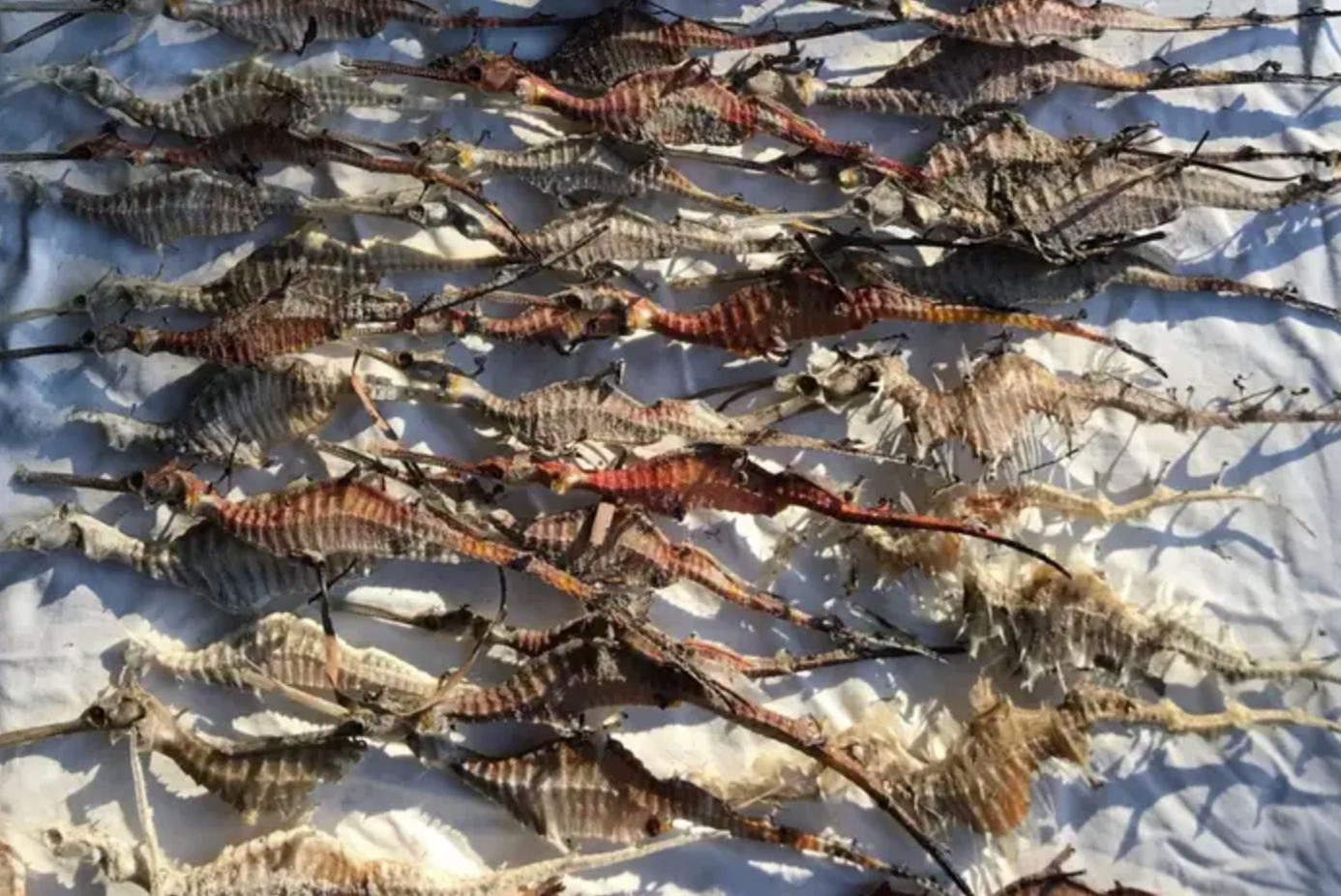
Since March this year, a massive toxic algal bloom has erupted along the southern coast of Australia, leading to the death of thousands of rare leafy and weedy sea dragons, and the forced closure of several oyster farming areas for months. Experts warn that as sea surface temperatures continue to rise and climate change intensifies, the world will face more unpredictable ecological crises.
Amid this ecological disaster, Australia’s aquaculture industry is undergoing a quiet revolution. As early as 2020, the Australian government announced an ambitious plan to invest over AUD 1.34 billion (USD 886 million) over the next decade to expand aquaculture in the northern region, with the goal of increasing its scale fivefold.
Australia’s total annual fish production is around 240,000–300,000 tonnes, of which aquaculture accounts for about one-third to 40%. In the 2021–22 financial year, the total value of fisheries and aquaculture reached approximately AUD 3.42 billion, with aquaculture contributing around 56%—surpassing wild catch. According to projections from ABARES (Australian Bureau of Agricultural and Resource Economics and Sciences), by 2028–29, aquaculture’s value will stabilize at AUD 2.21 billion and account for 64% of the entire industry.
Currently, northern Australia’s aquaculture production is valued at around AUD 223 million annually, with lungfish, prawns, and pearl oysters each accounting for roughly one-third. More strikingly, the region has between 500,000 to 700,000 hectares suitable for marine aquaculture—50 times the area available for freshwater farming.
While there is no unified data for the total aquaculture area, for example, Western Australia’s Mid-West region already has around 2,200 hectares leased for farming, and similar-scale areas are being planned in other states.
The Australian government has incorporated aquaculture into its national economic development strategy. The Queensland government has designated fisheries as a major industry sector, with a target of reaching AUD 30 billion in output by 2030.
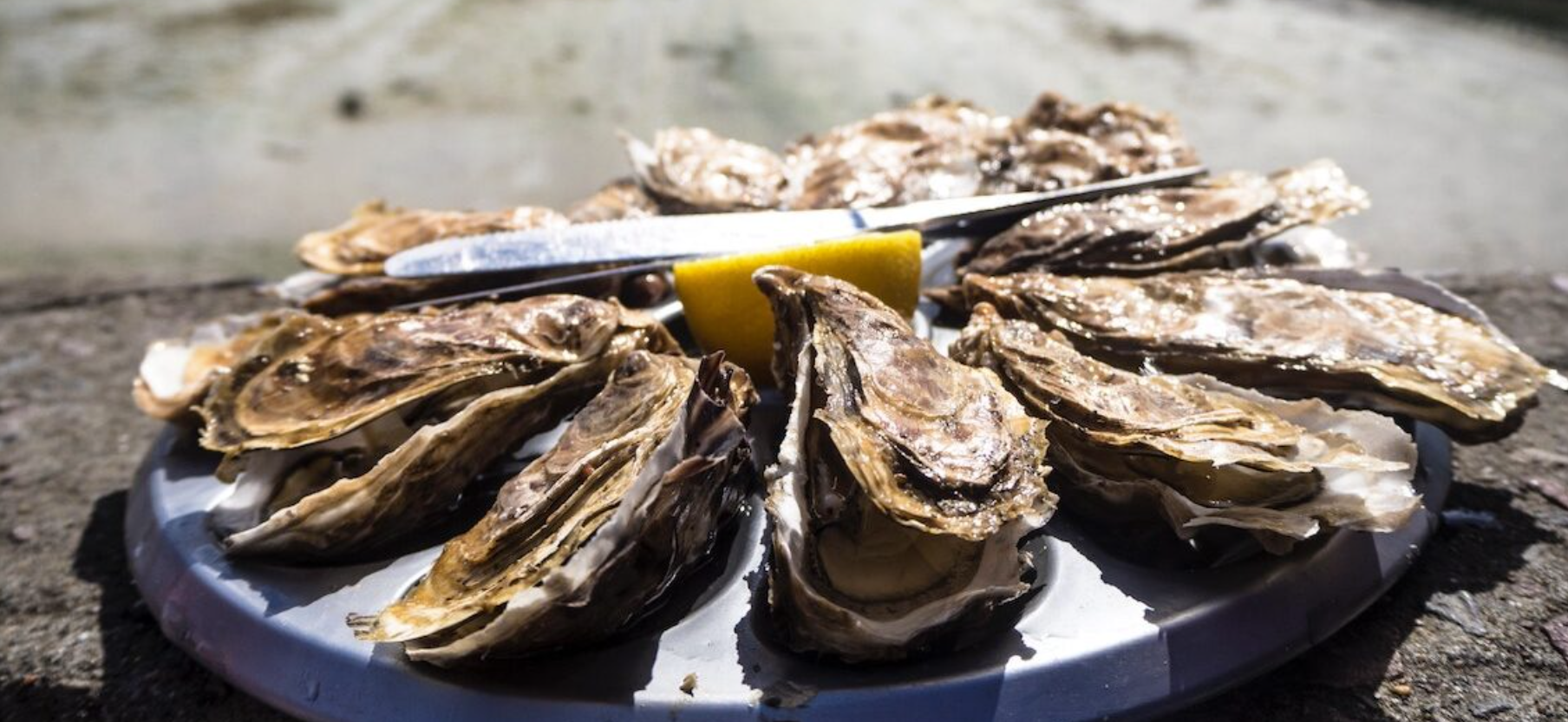
Three days a week, just before dawn, oyster farmers in southern New South Wales begin their busy day. The Sydney rock oysters they harvest don’t end up in local markets but are instead packed and flown to Guangzhou within hours.
The price difference is staggering: a dozen Sydney rock oysters sell for AUD 13 in Australia, but fetch as much as CNY 100 (AUD 20) in Guangzhou. Chinese consumers’ appetite for fresh, high-quality foreign seafood has brought handsome profits to the 45 oyster farms along Australia's southern coast.
Meanwhile, black tiger prawns are emerging as a new star in Australian aquaculture. As early as 2017, Seafarms Group launched a AUD 2 billion prawn farming project on the west coast of the Northern Territory, aiming to build the world’s largest black tiger prawn farm spanning 150,000 acres.
The first phase includes 112 ponds with an annual production of 14,000 tonnes—boosting Australia’s total farmed prawn capacity by 55%.
On August 1st, the Queensland government announced AUD 600,000 in funding for the Queensland Seafood Industry Association to support industry development over the next four years. The state explicitly stated its intention to "reverse the failures of a decade of Labor governance" and address past shortcomings, including a lack of support and unscientific regulation for commercial fishers.
Australia’s National Aquaculture Strategy also outlines a clear goal: to reach AUD 2 billion in annual output by 2027. It includes eight key action points—reducing regulatory burdens, strengthening biosecurity, improving market access, enhancing environmental performance, and encouraging investment into Australian aquaculture.
In August 2021, Australia’s Blue Economy CRC launched an innovative demonstration project—testing wave energy generators offshore in Western Australia to power aquaculture farms. The project received AUD 4.8 million in funding from the Western Australian Government and the Blue Economy CRC.
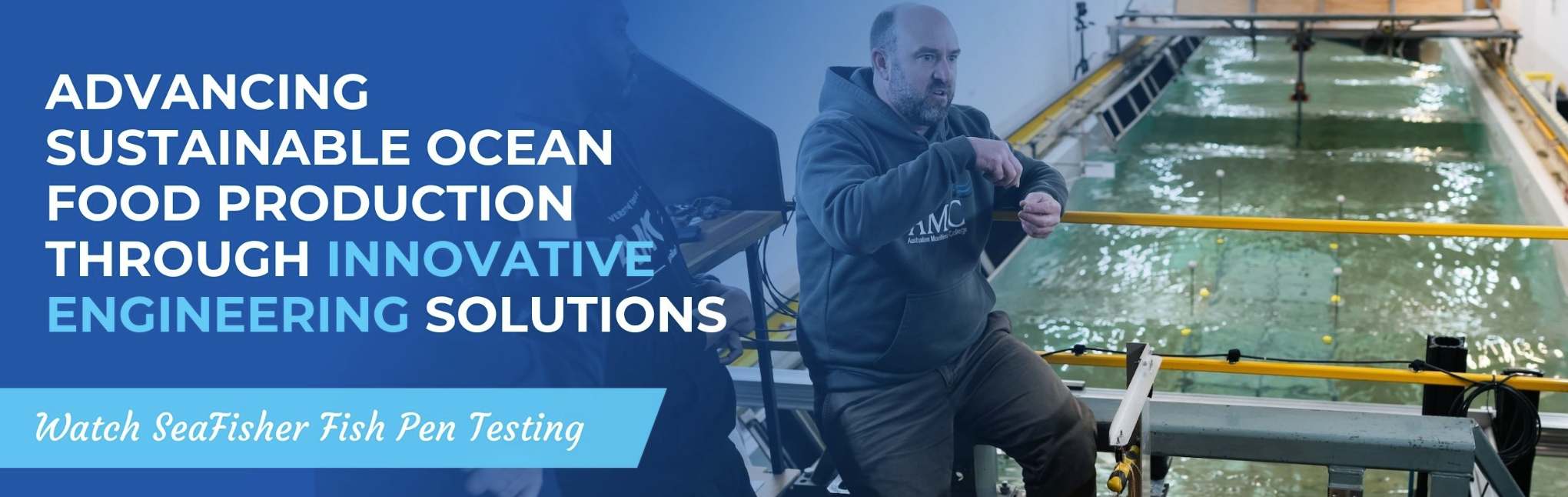
The first five years focus on developing and testing offshore marine aquaculture and renewable energy technologies, eventually integrating them into the world’s first combined platform of its kind.
Despite the challenges, Australia’s aquaculture sector holds massive growth potential. Global salmon farming giants are seeking to break away from traditional coastal farming, shifting toward land-based and offshore aquaculture. Australia is already at the forefront of these developments.
Led by the University of Tasmania, the Blue Economy CRC project aims to integrate renewable energy and aquaculture technologies with other engineering fields to explore sustainable development pathways for the industry.
With climate change posing increasing risks, the Australian government is also placing greater emphasis on balancing ecological protection with industry growth. This week, federal and state governments allocated AUD 28 million to address the ecological disaster caused by algal blooms.
Large companies like Tassal employ nearly 1,700 people, while Huon Aquaculture employs around 700 staff in Tasmania. The industry is increasingly leaning toward technical roles and faces a shortage of skilled workers and experienced aquatic health managers. The rise of smart, data-driven aquaculture has sharply increased demand for high-end tech talent.
Australia’s aquaculture industry is in a phase of rapid growth, with high-value species like salmon, prawns, and southern bluefin tuna driving the market. With strong government support and steadily growing output, the industry is forging a future built on technological innovation and green development—despite ongoing challenges related to the environment, climate, talent, and regulatory processes.
Job Opportunity: Exclusive Pathway for Aquaculture Farmers
For aquaculture professionals considering migration to Australia, JobABC offers a dedicated pathway.
The occupation Aquaculture Farmer is listed on Australia’s MLTSSL (Medium and Long-term Strategic Skills List). Key responsibilities include:
-
Planning and coordinating hatchery and grow-out operations based on environmental and market factors;
-
Managing environmental monitoring strategies to optimize growth conditions and minimize environmental impact, including biosecurity and risk management;
-
Overseeing strategies for monitoring and maintaining aquatic stock health and welfare;
-
Implementing breeding, feeding, and nutrition programs;
-
Supervising the transfer of stock to tanks, ponds, cages, and net enclosures;
-
Managing harvesting, grading, processing, and packaging operations;
-
Maintaining farming infrastructure and equipment;
-
Organizing sales, purchasing, and transport of aquatic stock;
-
Keeping records, monitoring market trends, and planning production accordingly;
-
Overseeing data collection and analysis, including farm technology systems;
-
Managing financial operations including budgeting, taxation, and loans, as well as selecting, training, and supervising staff and contractors.
Opportunities favor those who act early.
For those interested in finding job at Australia through aquaculture, feel free to contact JobABC for personalized consultation. We’re here to support your journey!