

Industry Newsletter in Australia
All You Need to Know: A Comprehensive Insight into Australia’s Accounting Industry in 2025 — Job Market Overview, Salary Revealed, and Future Breakthrough Strategies
The Digital Wave Surges On, as AI Quietly Rewrites the Rules of the Accounting Industry
The Digital Wave Surges, and AI is Quietly Rewriting the Rules of the Accounting Industry —
Have you found yourself staring at job boards, wondering “Just how hot is the accounting job market in Australia right now?”
Scrolling through salary reports, curious “How much can I earn as a senior?”
Or feeling anxious, asking yourself “Will I be the next to be replaced by AI?”
Don’t panic. This article cuts through the data fog:
spot opportunities in a $33.3 billion market,
set your direction from the shortage occupation list,
assess your potential from the salary ceiling,
and most importantly — reveal the survival rules for being “irreplaceable” in the AI era.
In 2025, the market size of Australia’s accounting services industry will reach AUD 33.3 billion, with more than 2,000 new jobs created each year. Over the past five years, the compound annual growth rate (CAGR) has been 1.2%.
Another set of hard data: from USD 20.5 billion (approx. AUD 30 billion) in 2024, the market is projected to reach USD 23.24 billion (approx. AUD 34 billion) by 2030, with an average annual growth rate of 2.04%.
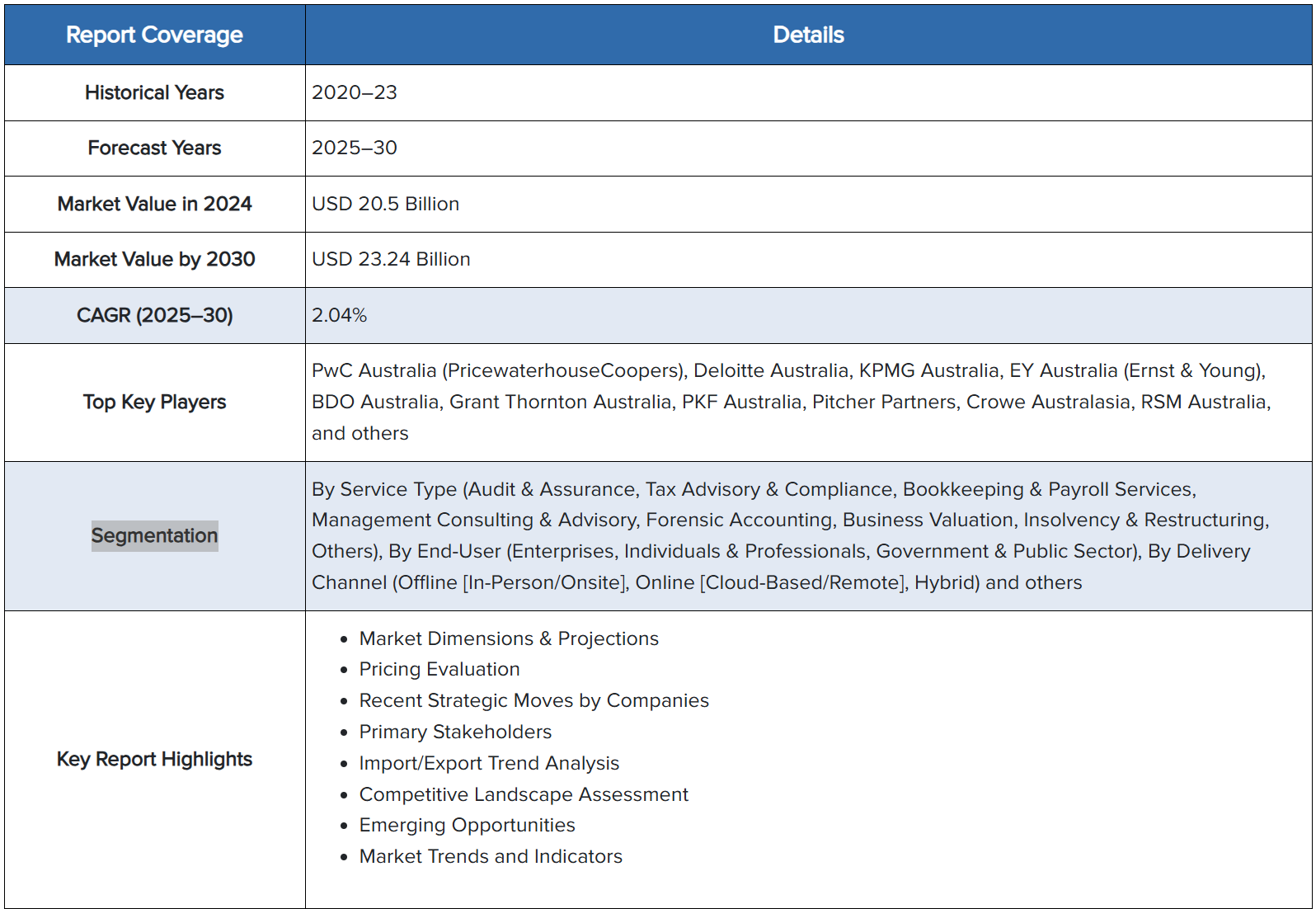
Currently, there are 128,000 professionals in the industry, and the workforce is expected to expand by 9.2% before 2026. The market sends a clear signal: traditional bookkeeping roles are slowing in growth, while “new tracks” such as consulting, ESG (Environmental, Social, and Governance), and digital services are growing at multiple times the pace of traditional services.
Open a job site, and these roles refresh almost every second:
-
Tax Accountant — Constantly changing policies create strong demand; companies are willing to pay 20% above market rates to secure talent.
-
Management Accountant — The “financial strategists” who understand business; big companies have significantly increased their hiring year-on-year.
-
Auditor — With rising compliance requirements, the Big Four firms always have “Urgent Hire” tags.
-
Financial Analyst — Those who can find business opportunities in data; SMEs often offer higher entry salaries than large corporations.
-
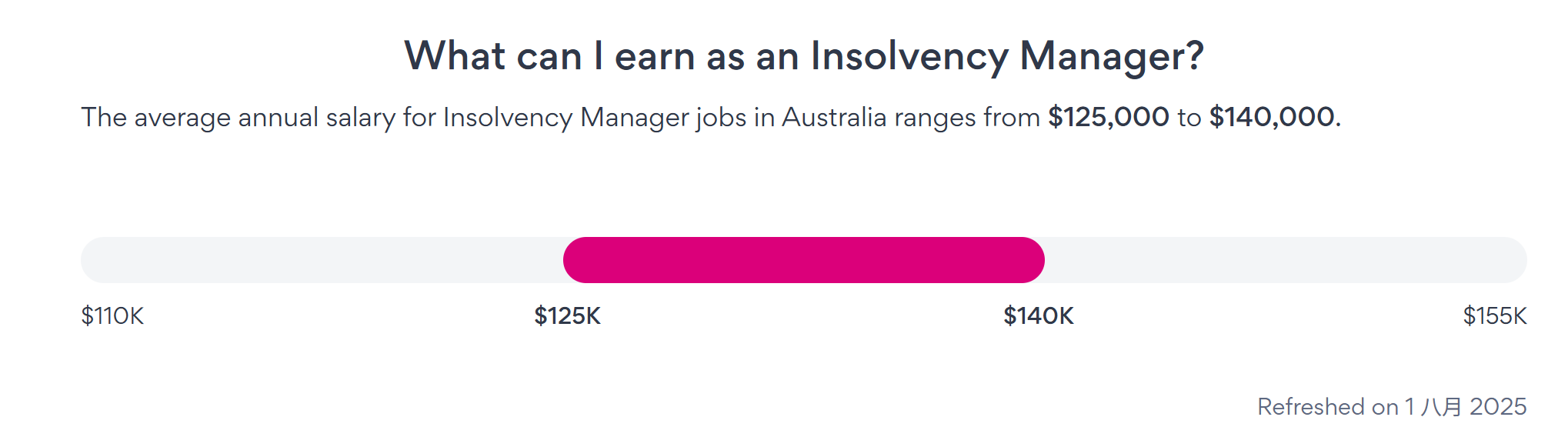
Insolvency/Restructuring Specialist — The “firefighters” during economic downturns; senior specialists can earn up to AUD 140,000 annually.
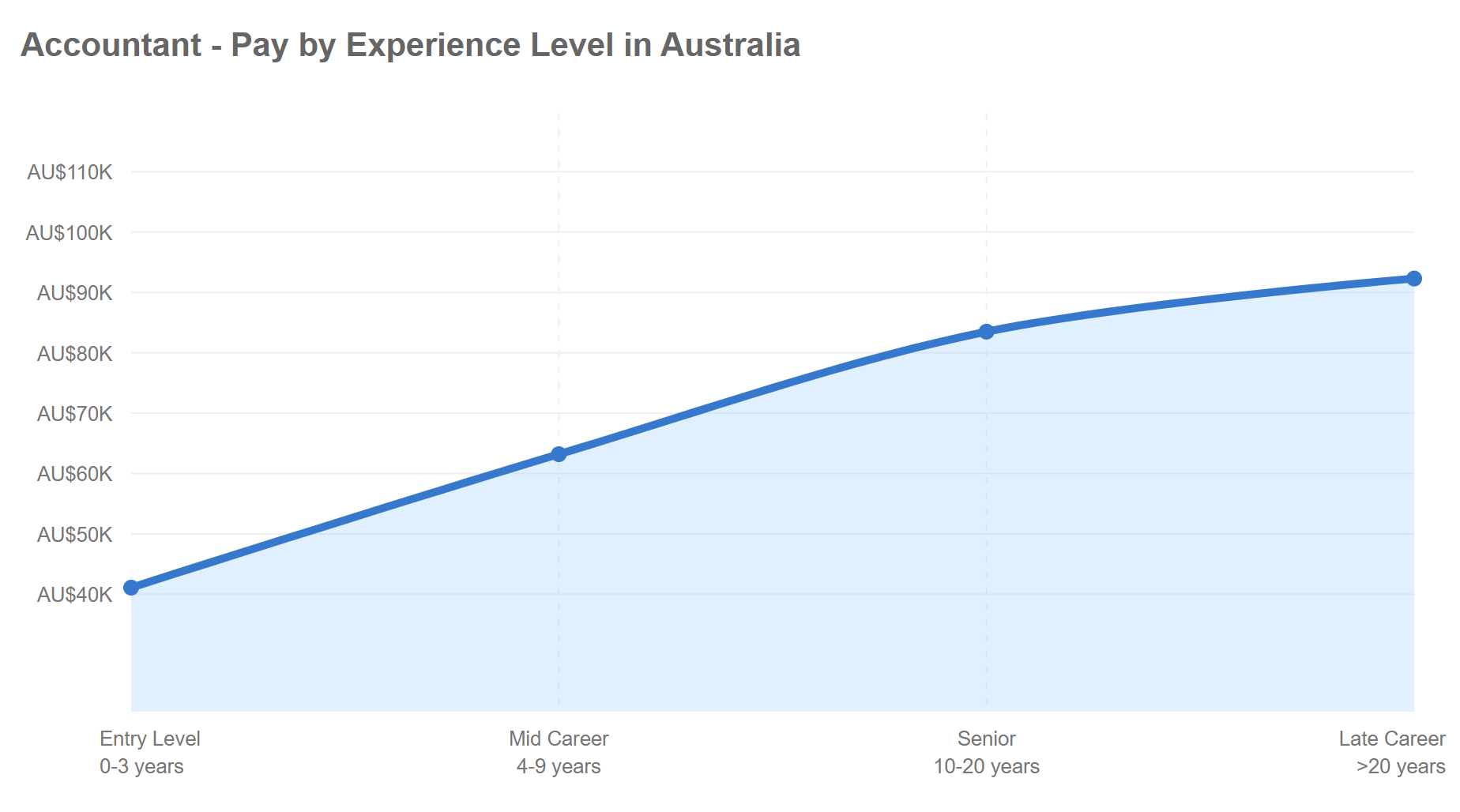
Don’t be misled by the “average annual salary of AUD 75,000–90,000” — the accounting industry hides a secret: the older, the more valuable.
-
Entry level (<3 years): From AUD 41,100, with Big Four graduate programs reaching AUD 48,000+.
-
Mid-level (4–9 years): Base at AUD 63,200; management accountants can reach AUD 80,000.
-
Senior (10–20 years): Starting at AUD 83,500; tax managers and senior financial analysts easily exceed AUD 100,000.
-
Veteran (20+ years): AUD 92,300 is just the start — one Reddit user shared a payslip showing AUD 151,000 + 11% bonus.
A certificate alone won’t get you hired — Big company HRs screen for these three points:
-
Education: A bachelor’s degree is the entry ticket. Want to join the Big Four or work in audit? A master’s in accounting is safer.
-
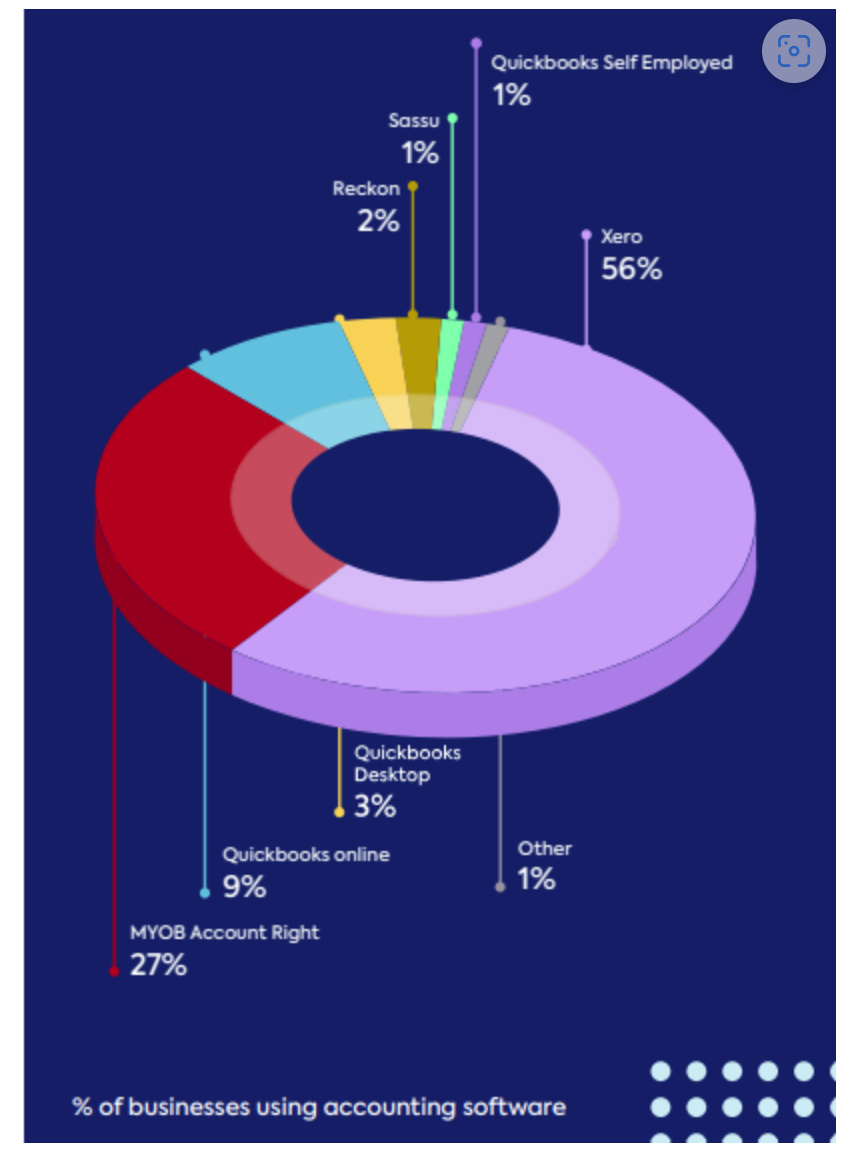
Skills: Knowing Xero and MYOB is basic; mastering advanced Excel functions and financial modelling greatly improves interview success.
-
-
Certifications: CA ANZ (Chartered Accountants Australia and New Zealand), CPA Australia (Certified Practising Accountant), and IPA (Institute of Public Accountants) are the “passports” to doubling your salary — certified professionals earn 25% more annually than those without.
Don’t forget soft skills — those who can explain complex tax laws to clients and understand business logic get promoted twice as fast as purely technical staff.
-
From the employer perspective:
-
Big Four (PwC, KPMG, EY, Deloitte): High starting salaries, structured training, but long hours are the norm.
-
SMEs: Less busy, suitable for those seeking work-life balance.
-
Government/Nonprofits: Stability first, great benefits, but a clear salary ceiling.
Geographic differences:
-
Sydney, Melbourne: 60% of national jobs, Big Four headquarters, senior salaries 15–20% higher than other cities.
-
Brisbane, Perth: High SME demand, lower living costs — good for gaining experience.
-
Regional areas: Few jobs, lower pay and growth opportunities, but extra migration points make them a “backdoor” to success.
Don’t worry — AI isn’t replacing accountants, it’s replacing accountants who only do bookkeeping. Impacted roles include accounting clerks, cashiers, and reconciliations, where 80% of repetitive data entry can be automated.
More secure roles, such as tax planning and financial analysis, require judgment and strategy that AI can’t yet replace.
Look at the Big Four’s moves: PwC now spends half of new hire training on “how to manage AI,” aiming for them to lead teams within 3 years. EY uses AI tools for automated auditing, freeing employees from repetitive tasks to focus on high-value analysis.
The industry consensus is clear: AI is a “super assistant,” but it cannot replace human judgment, negotiation skills, or professional ethics — these “human skills” are the true iron rice bowl.
The “new money” in accounting is in these directions:
-
Strong shift toward consulting — companies need “financial strategists” for ESG reports and digital transformation planning.
-
Continuous upskilling — those who can manage AI systems, collaborate in the cloud, and perform advanced data analysis are in high demand.
-
New niche skills — sustainable accounting (calculating “carbon costs”), digital asset accounting (including cryptocurrency), and AI governance auditing to ensure AI compliance are all growing rapidly.
Instead of fearing replacement, become irreplaceable
The Australian accounting industry is undergoing a “major reshuffle”: entry-level roles are shrinking, but high-value roles are booming. Those with a CPA, some AI knowledge, and consulting skills won’t just survive — they’ll ride the wave of industry transformation to the top. Choose the right path now, and in three years you may find that the once-dreaded “AI threat” has become the stepping stone to your competitive edge.
Opportunities always favour those who act early!
Find internship and job opportunities through JobABC — open new doors in your career!