

Industry Newsletter in Australia
Are you eager to make your mark in the field of electrical engineering?
Australia's Career Gold Rush, Riding the Wave of In-Demand Industries
The electrical engineering industry in Australia is brimming with opportunities, waiting for you to explore!
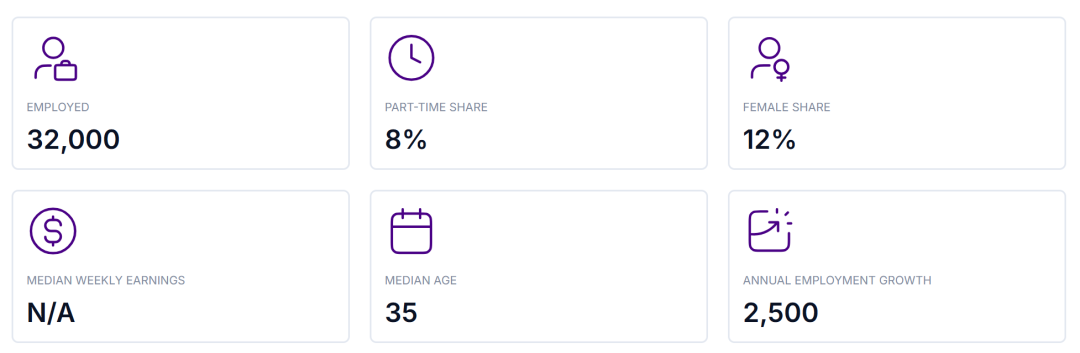
According to official Australian statistics, by the end of 2022, there were approximately 32,000 electrical engineers (ANZSCO 2333) employed, with around 2,500 new job openings added each year! In 2021, out of over 545,000 qualified engineers nationwide, 433,000 were actively working in the labor market. The field of electrical engineering is highly competitive yet remains dynamic, offering abundant opportunities for growth—much like a treasure mine waiting to be unearthed.
In the current engineering landscape, renewable energy (wind power, solar energy, energy storage systems) shines as a dazzling rising star, capturing widespread attention. Infrastructure development (subways, traffic signals, power grids) is also in full swing, injecting robust momentum into urban growth. Meanwhile, smart automation and communications (smart grids, intelligent buildings) are at the forefront of innovation, leading industry trends.
New South Wales (NSW) and Victoria (VIC) are leading the surge in job openings for electrical engineers, while growth in Queensland and South Australia remains relatively moderate. As decarbonization and energy transition accelerate, expertise in renewable energy technologies, smart grids, and energy storage systems has become the most sought-after skill set in the industry.

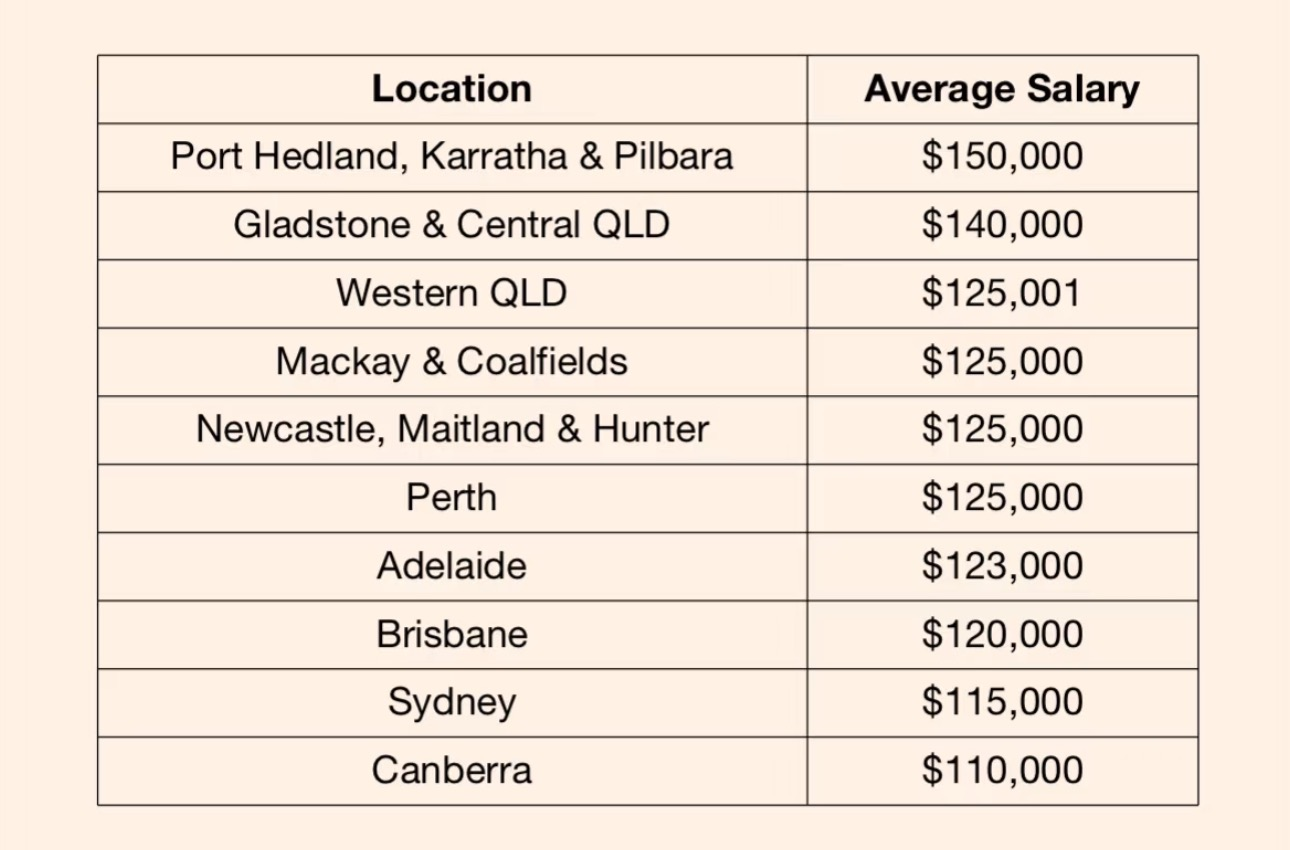
When it comes to salary packages, although there are slight variations across states, the overall trend is highly appealing.
Fresh graduates can expect a starting annual salary of approximately AUD 70,000 - 90,000, offering a solid income right at the beginning of their careers. Those with five years of experience earn around AUD 100,000 - 130,000 per year. For seasoned engineers with a decade of experience, especially in cities like Sydney and Melbourne, annual salaries can exceed AUD 150,000.
To enter the electrical engineering profession, individuals must undergo a skills assessment by Engineers Australia (EA), aiming to meet the standards of a Chartered Engineer (CPEng) or at least fulfill the required skill evaluation. When working with high-voltage equipment or public utility projects, registration or compliance with state or client-specific insurance standards may be necessary—serving as a critical milestone and safeguard for entering the industry.
Australian undergraduate qualifications are generally recognized directly, while overseas degrees require assessment by Engineers Australia (EA), involving the submission of materials such as academic transcripts, course content, and practical experience. If the qualification does not meet the standard, some applicants may supplement their credentials by completing Australian-certified courses or bridging programs, laying a foundation for their career path.
The English language requirement is typically IELTS ≥ 6.0 - 6.5 (with no band less than 6.0) or PTE ≥ 58 - 65, depending on the target visa and assessing authority specifications. Strong English proficiency will ensure smooth progress within the industry.
For those pursuing a technical expertise track, the career progression moves from junior electrical engineer to senior electrical engineer, and eventually to specialist consultant, establishing authority in the field. Alternatively, the management path leads from project engineer to project manager, followed by advancement to roles such as infrastructure/energy department manager or entry into the management tier of construction or power companies.
Amid industry digitalization and energy transition, expertise in energy storage technology, AI, smart grids, IoT applications, as well as project management and interdisciplinary coordination skills, has become crucial.

Engineers Australia requires registered engineers to maintain CPD (Continuing Professional Development) credits by completing a certain number of training hours annually, such as attending seminars, online courses, industry conferences, etc. This ensures that professionals remain at the forefront of the industry and maintain their competitiveness.
The industry is currently facing a severe talent shortage, with the number of engineering graduates falling far below industry demand. As the sector aptly puts it: "For every two engineers trained, the market needs three." There is an urgent call to accelerate training and certification processes to address the immense demand for talent driven by energy transition projects.
Driven by decarbonization policies, renewable energy projects are expected to surge dramatically. By 2029, the demand for electrical engineers is projected to triple before gradually tapering off. The widespread adoption of microgrids and distributed energy resources will fuel explosive demand for expertise in smart grids, energy storage systems, and home energy management. Additionally, accelerated national infrastructure investments—such as expansions in transportation and power networks—will create extensive opportunities for engineers.